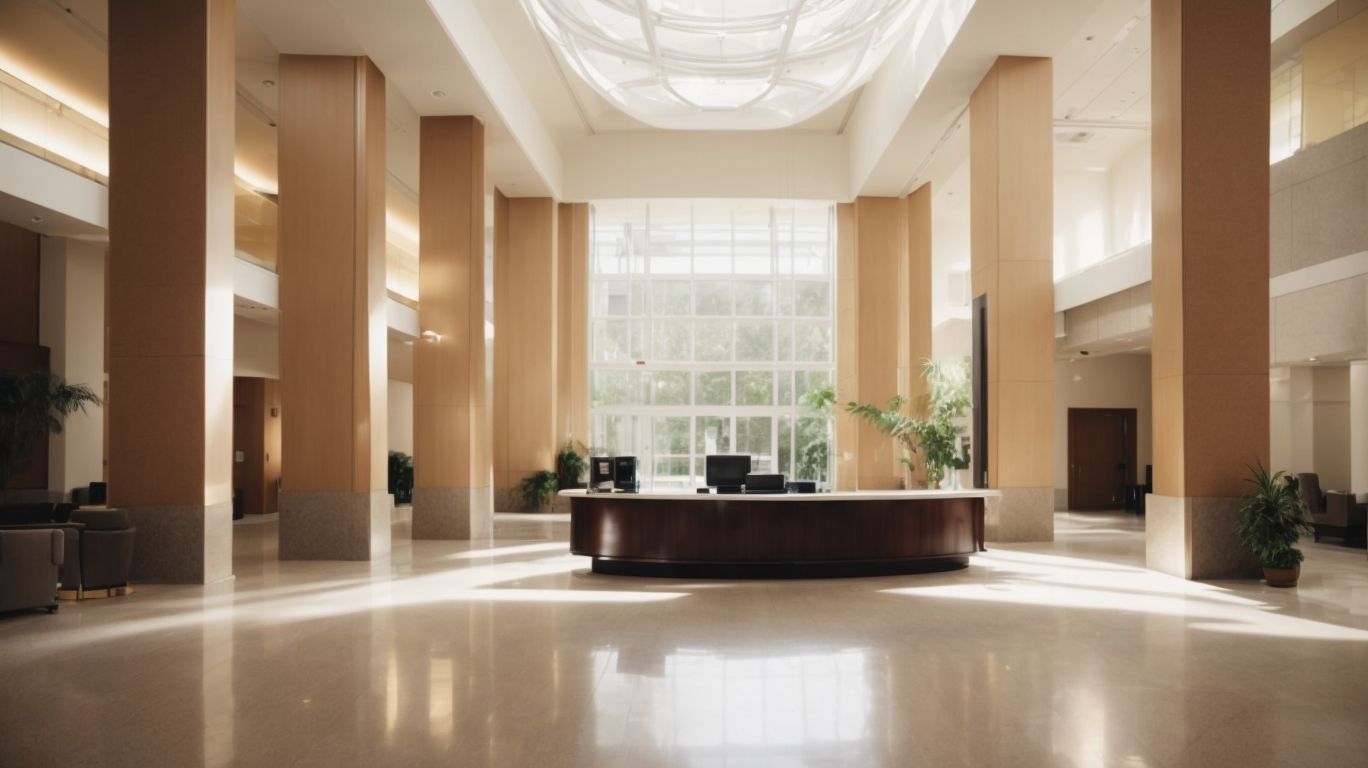
Let’s talk about something that quite literally underpins your entire business operation: your office floors. They’re walked on thousands of times daily, spilled on regularly, and generally expected to maintain a pristine appearance whilst being utterly ignored—rather like a competent IT department. Yet these unsung heroes of the workplace deserve far more attention than they typically receive. Whether you’re managing a sleek Shoreditch startup with polished concrete or a Mayfair institution with marble lobbies, understanding proper hard-floor maintenance isn’t just about aesthetics. It’s about protecting a significant property investment, maintaining hygiene standards, and ensuring your office doesn’t look like it’s auditioning for a dystopian film set. This guide will walk you through everything you need to know about keeping hard floors in top condition—without turning your facilities manager into a cleaning encyclopedia.
Understanding Different Hard Floor Types in Office Environments
Not all hard floors are created equal, which is unfortunate news for anyone hoping cleaning could be a one-size-fits-all affair. Your office likely features several different surface types, each with its own personality quirks and maintenance demands.
Resilient Floors (Vinyl, Linoleum, Rubber)
These are the workhorses of commercial flooring—practical, durable, and about as fussy as a Golden Retriever. Vinyl tops the popularity charts in London offices, particularly in corridors, meeting rooms, and reception areas where foot traffic would make lesser surfaces weep. Modern luxury vinyl tiles (LVT) can convincingly impersonate wood or stone whilst being considerably more forgiving when someone inevitably drops their reusable coffee cup for the third time this week.
Linoleum, often confused with vinyl by people who aren’t flooring nerds, is actually the eco-warrior of resilient flooring—made from natural materials and biodegradable. Rubber flooring appears less frequently but makes strategic appearances in gyms, kitchens, and anywhere slip resistance matters more than looking posh.
The beauty of resilient floors lies in their name: they bounce back from abuse. However, they’re not invincible. Use the wrong cleaning products, and you’ll strip away protective finishes faster than a parking warden issues tickets on a double yellow.
Stone and Tile Surfaces (Ceramic, Porcelain, Natural Stone)
Now we’re entering the high-maintenance category—the floors that require reading the manual. Ceramic and porcelain tiles are relatively straightforward: they’re non-porous, durable, and can handle most cleaning products without having an existential crisis.
Natural stone is another story entirely. Marble, granite, limestone, and travertine are the divas of the flooring world. They’re gorgeous, impressive, and capable of making your reception area look like a five-star hotel. They’re also porous, easily etched by acidic substances (including many common cleaning products), and prone to staining if you look at them wrong.
The finish matters enormously here. Sealed stone has a protective barrier; unsealed stone is essentially naked and vulnerable. Many a facilities manager has learned this distinction the expensive way.
Engineered and Hardwood Floors
Increasingly popular in modern offices—particularly those trying to create a “we’re not like other businesses” vibe—wood floors bring warmth and sophistication. Engineered wood, with its layered construction, offers better stability than solid hardwood and doesn’t expand and contract like a guilty conscience.
The cardinal rule with wood? Water is not its friend. Neither are harsh chemicals, excessive heat, or basically anything that isn’t specifically designed for wood floor care. Surface-sealed wood has a protective polyurethane coating; oil-finished wood has been treated with penetrating oils and requires entirely different maintenance. Mixing these up is like using fabric softener in the dishwasher—technically possible but inadvisable.
Essential Cleaning Equipment and Products
Right, let’s talk tools. Professional floor cleaning isn’t about wielding a mop like you’re recreating that iconic dance scene from Singin’ in the Rain. It requires proper equipment that would make a gadget enthusiast mildly excited.
Professional-Grade Tools
First up: microfibre mops. These aren’t your grandmother’s string mops (no disrespect to your grandmother). Microfibre attracts and holds dirt through positive and negative static charges—it’s essentially magic, but with scientific backing. They clean more effectively, dry faster, and don’t leave streaks or that distinctive “wet dog meeting old socks” aroma.
For larger spaces—think open-plan offices the size of a football pitch—auto-scrubbers are game-changers. These machines clean, scrub, and extract dirty water in one pass, reducing labour time and delivering consistently brilliant results. They’re the Dyson of floor cleaning: expensive initially, but worth every penny when you’re not spending three hours manually mopping.
Don’t underestimate vacuum systems with proper hard-floor attachments either. Many offices make the mistake of only vacuuming carpets, but hard floors need regular vacuuming to remove grit and debris that act like sandpaper underfoot.
Choosing the Right Cleaning Solutions
Here’s where things get chemistry-adjacent. pH-neutral cleaners are your everyday heroes for routine maintenance—they clean effectively without damaging floor finishes or leaving residue. Think of them as the diplomatic solution to floor care.
Different surfaces demand different products, though. That heavy-duty degreaser perfect for kitchen tiles? Death to wood floors. The acidic cleaner that makes your bathroom tiles sparkle? An absolute nightmare for natural stone. Many London offices have learned this through unfortunate trial and error—often expensive error.
Eco-friendly products have moved from “nice to have” to “expected by tenants and staff” territory. Modern green cleaning solutions actually work, which is fortunate because nobody wants to choose between environmental responsibility and visible cleanliness.
The Professional Cleaning Process
Professional floor cleaning follows structured protocols that separate “making it look acceptable” from “actually maintaining the surface properly.”
Daily Maintenance Protocols
Every morning should start with dust mopping or vacuuming. This removes loose dirt before it gets ground into the floor surface, preventing those microscopic scratches that accumulate over time like minor life regrets. High-traffic areas need damp mopping daily, using properly diluted cleaning solution and—crucially—clean water for rinsing.
Spot cleaning spills immediately isn’t just good housekeeping; it’s damage prevention. Coffee, soft drinks, and the mysterious sticky substances that appear in office kitchens all have the potential to stain or damage floors if left to their own devices.
Entrance mats deserve a mention here. A good mat system (both outside and inside entrances) can trap up to 80% of dirt before it reaches your floors. That’s basically a force field for cleanliness.
Deep Cleaning Procedures
Regular maintenance keeps floors acceptable, but periodic deep cleaning restores them to their former glory—or as close as possible after several thousand pairs of shoes have had their way.
For resilient floors, this typically involves strip and seal procedures. Old finish is chemically removed (stripped), the floor is thoroughly cleaned, and fresh sealer coats are applied. It’s like a spa day for your floors, minus the cucumber water and whale sounds.
Tile and stone floors need scrubbing with appropriate machines, often with extraction to remove dirty water. Grout—that often-grey substance between tiles—requires special attention because it’s porous and collects dirt like a gossip collects secrets.
Stone floors sometimes need professional restoration, including honing and polishing, to address etching and wear. This isn’t DIY territory unless you fancy explaining to senior management why the marble looks worse than before.
Floor Finishing and Protection
Sealers and finishes create protective barriers that make daily cleaning easier and extend floor life considerably. For resilient floors, multiple coats of floor finish (typically acrylic-based) provide shine and protection. These require periodic buffing or burnishing to maintain appearance between strip and seal cycles.
The schedule depends on traffic: busy reception areas might need attention every few months; quiet corridors might manage annually. It’s like car maintenance—ignore it long enough, and minor issues become expensive problems.
Common Challenges in Office Floor Cleaning
Even with perfect protocols, certain challenges appear with the regularity of someone microwaving fish in the office kitchen.
High-Traffic Areas and Wear Patterns
Lobbies, corridors leading to lifts, and paths to the coffee machine show wear fastest. These zones need more frequent attention—often daily deep cleaning rather than weekly. Preventative measures like additional mats and more frequent finish applications help, but ultimately, popular routes look more tired because they are more tired.
Strategic furniture placement can sometimes redistribute traffic, though suggesting people take a longer route to their desk for floor preservation purposes rarely goes down well.
Stain Removal and Damage Prevention
Coffee spills are basically inevitable—accept this early. The key is rapid response with appropriate cleaning products. Scuff marks from rubber soles respond well to specialized removers or, in a pinch, a tennis ball on a stick (genuinely effective, oddly satisfying).
Chewing gum requires patience and usually ice or specialized freezing spray before careful scraping. Moving furniture without proper protection creates scratches that make facilities managers age prematurely. Chair glides, protective pads, and trolleys with soft wheels aren’t optional accessories—they’re essential insurance.
Why Professional Expertise Matters
Here’s the uncomfortable truth: DIY floor cleaning often costs more in the long run than professional service. Untrained staff using incorrect products can permanently damage floors, void warranties, and create problems that require expensive remediation.
Professional cleaning contractors bring trained technicians who understand floor chemistry, proper dilution ratios, and which products work with which surfaces. They carry insurance for the rare occasions when something goes wrong. They have commercial-grade equipment that delivers superior results in less time.
In London’s competitive business environment, where first impressions influence client perceptions and employee satisfaction, floor appearance genuinely matters. Dull, dirty, or damaged floors signal neglect—hardly the message most businesses want to broadcast.
Professional services also ensure compliance with health and safety regulations, maintain proper documentation, and work around your business operations with minimal disruption. They let your staff focus on their actual jobs rather than becoming reluctant amateur cleaners.
Conclusion
Hard-floor cleaning is far more nuanced than most people realise until they’re standing over a damaged floor surface wondering where it all went wrong. Different materials require different approaches, proper equipment and products matter enormously, and regular professional maintenance prevents expensive problems down the line.
Your floors represent a significant investment in your workspace. They contribute to air quality, workplace safety, professional appearance, and ultimately, how people feel in your environment. Treating them as the important asset they are—rather than just the bit between the walls—pays dividends in longevity, appearance, and reduced replacement costs.
Whether you’re managing a boutique office in Clerkenwell or a corporate tower in Canary Wharf, partnering with experienced cleaning professionals who understand the complexities of hard-floor maintenance isn’t an extravagance. It’s sensible asset management wrapped in a service that keeps your workplace looking sharp, professional, and welcoming—which, let’s face it, is rather the point of having nice floors in the first place.